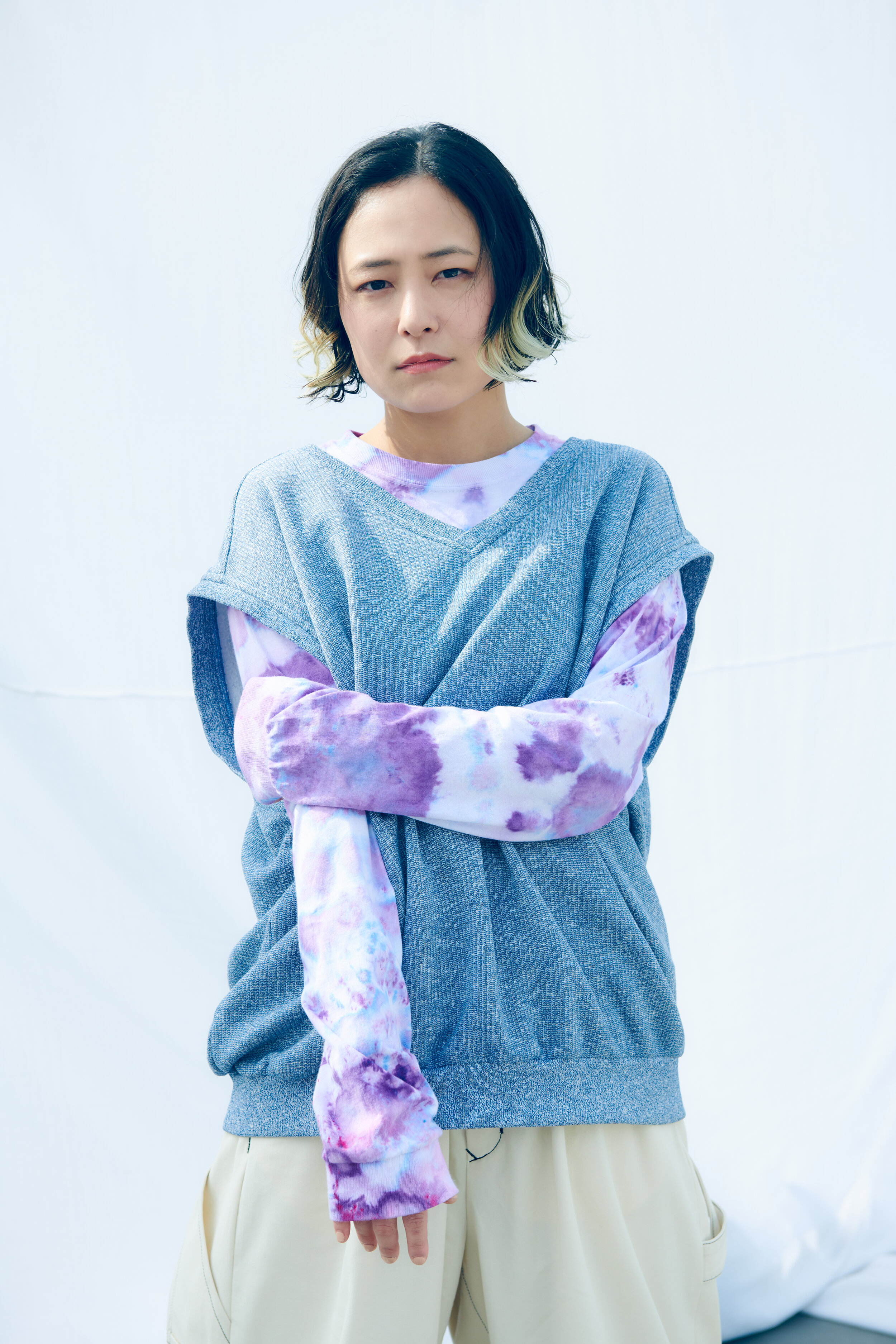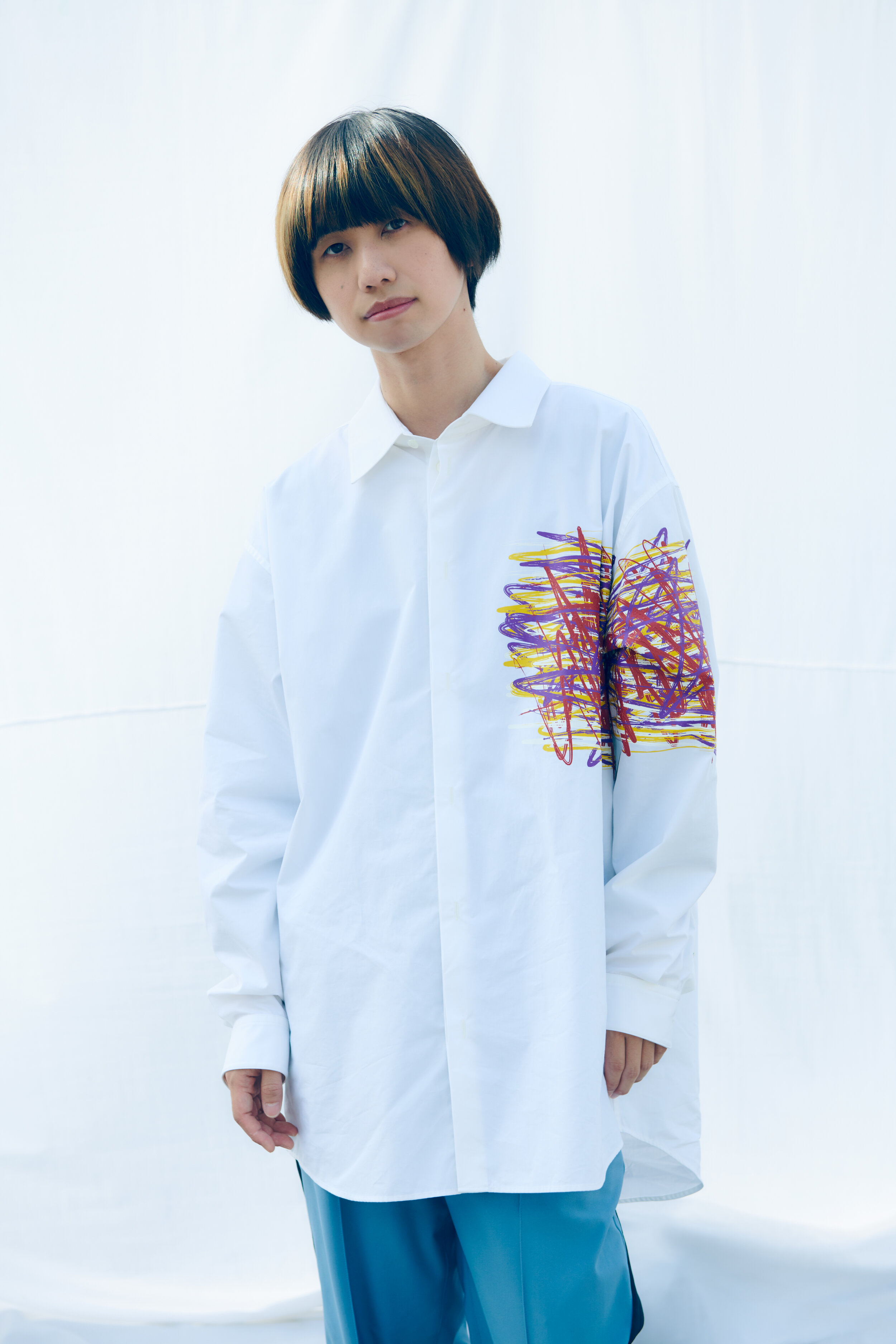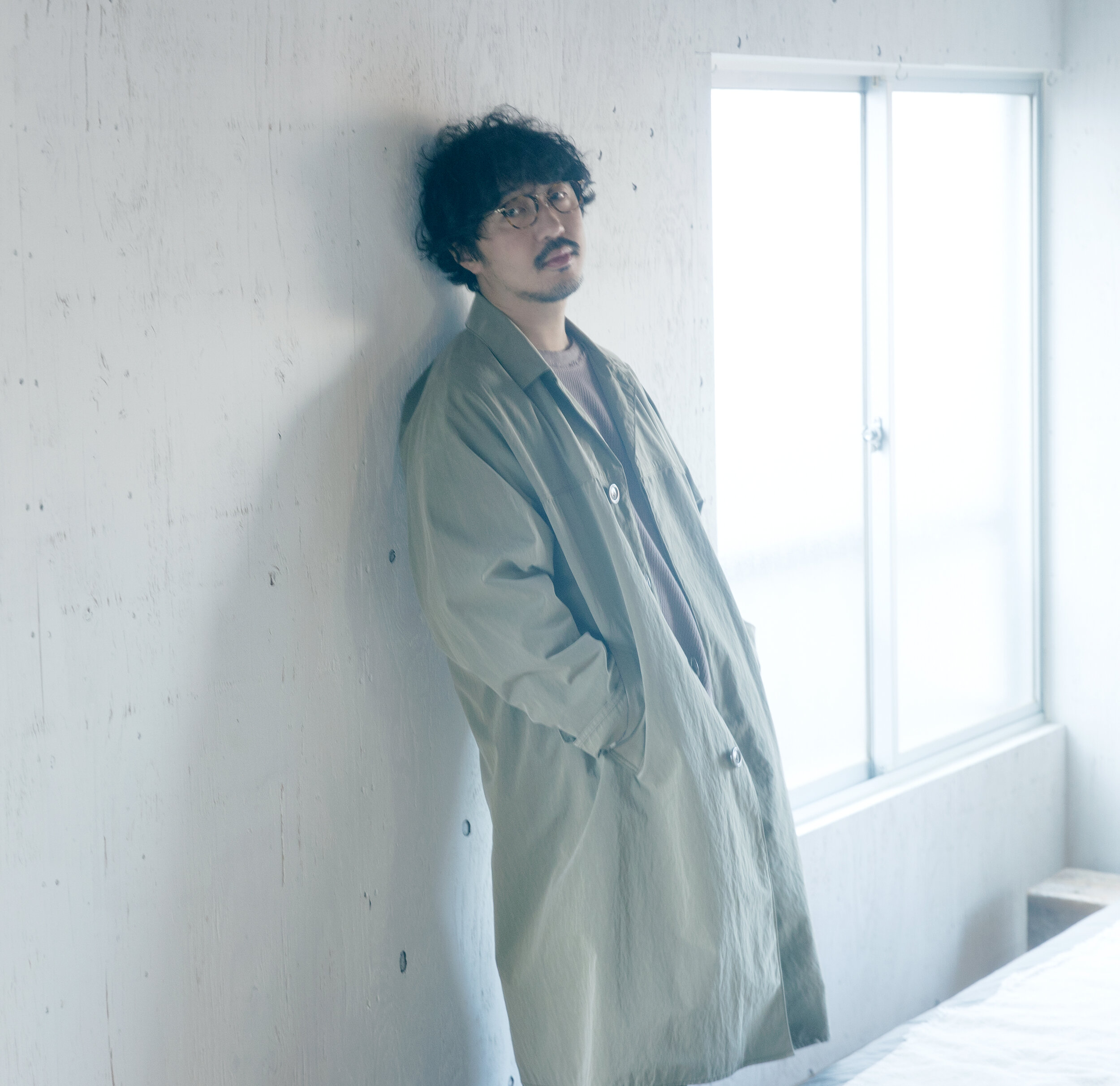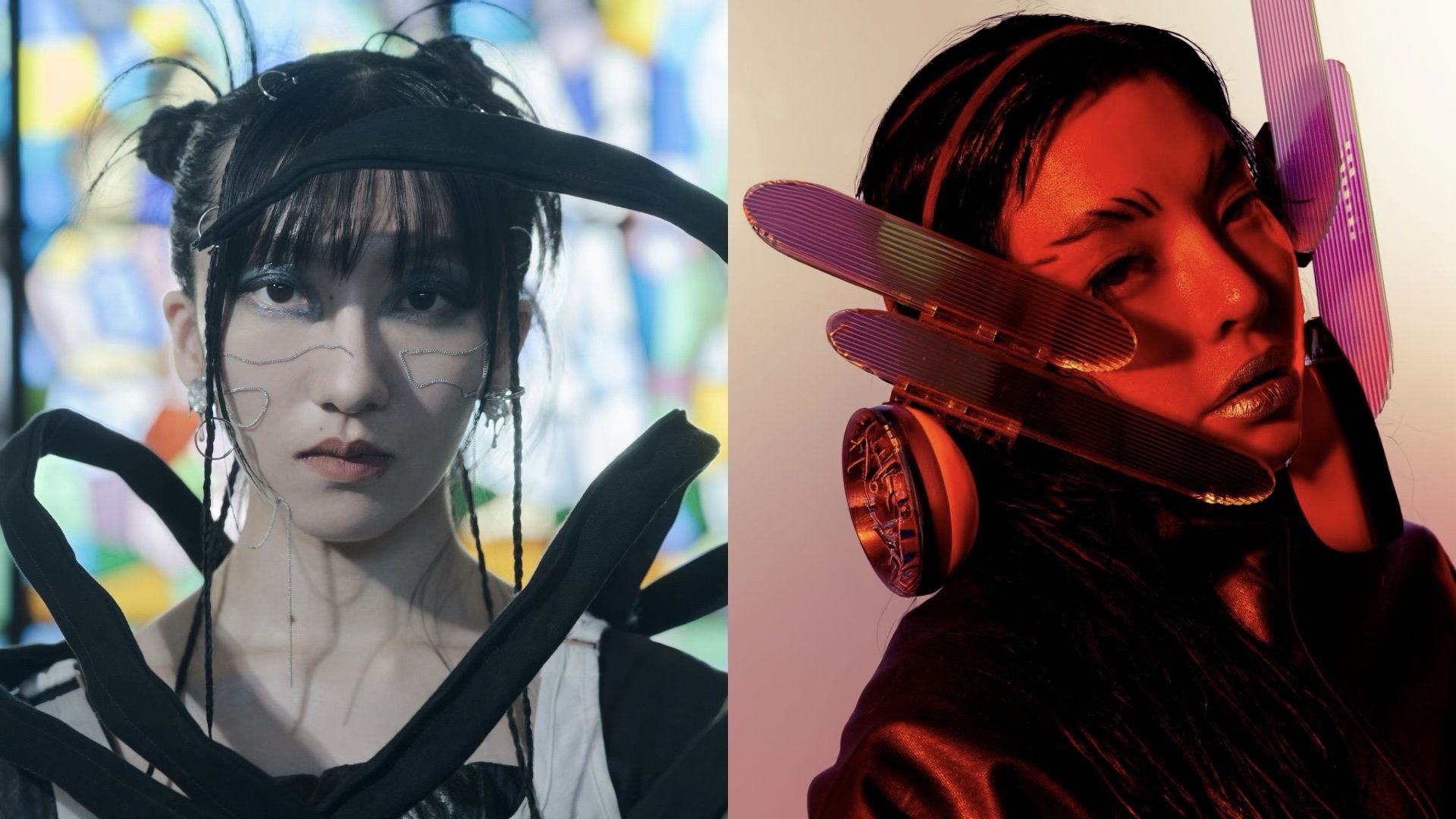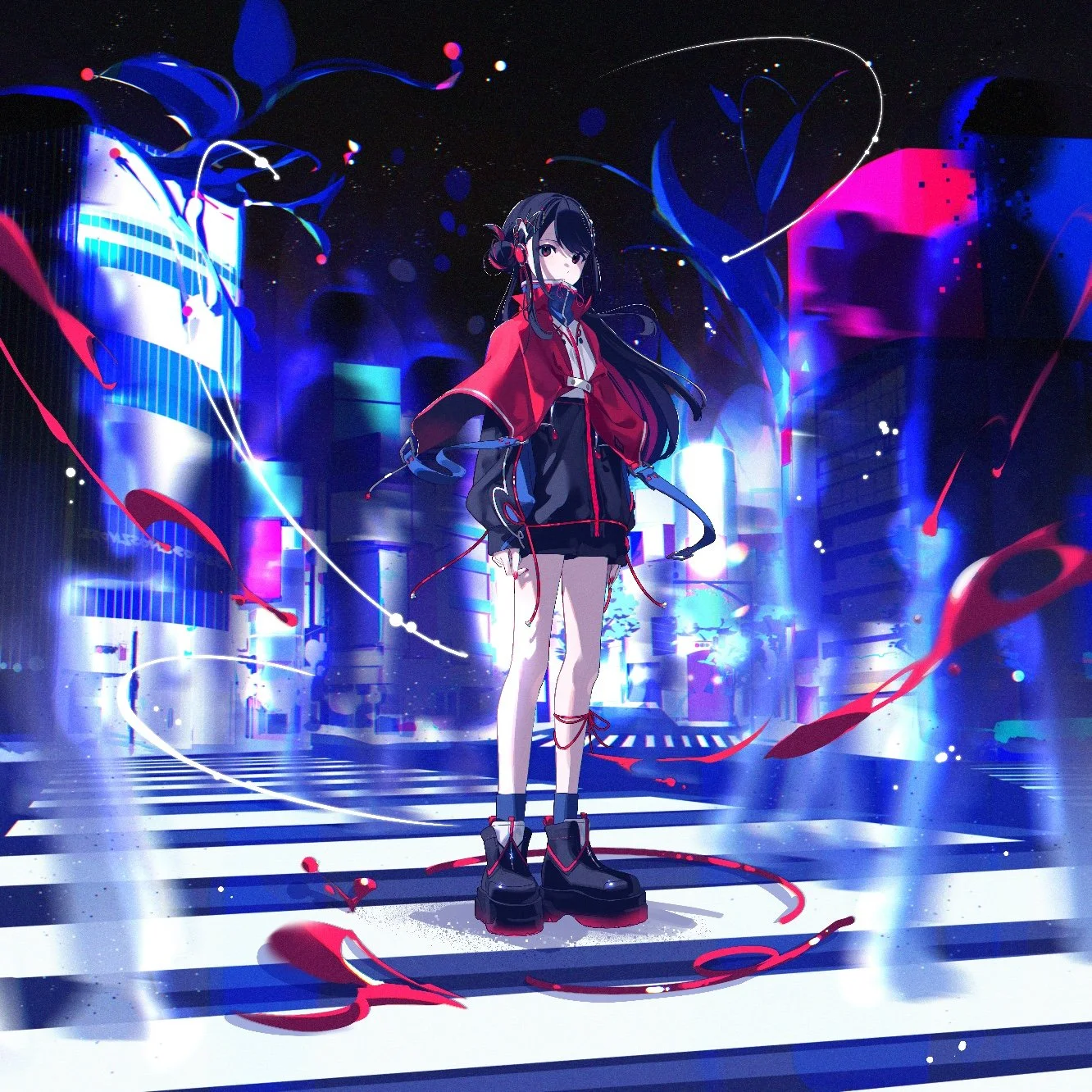
Interview: BALLISTIK BOYZ

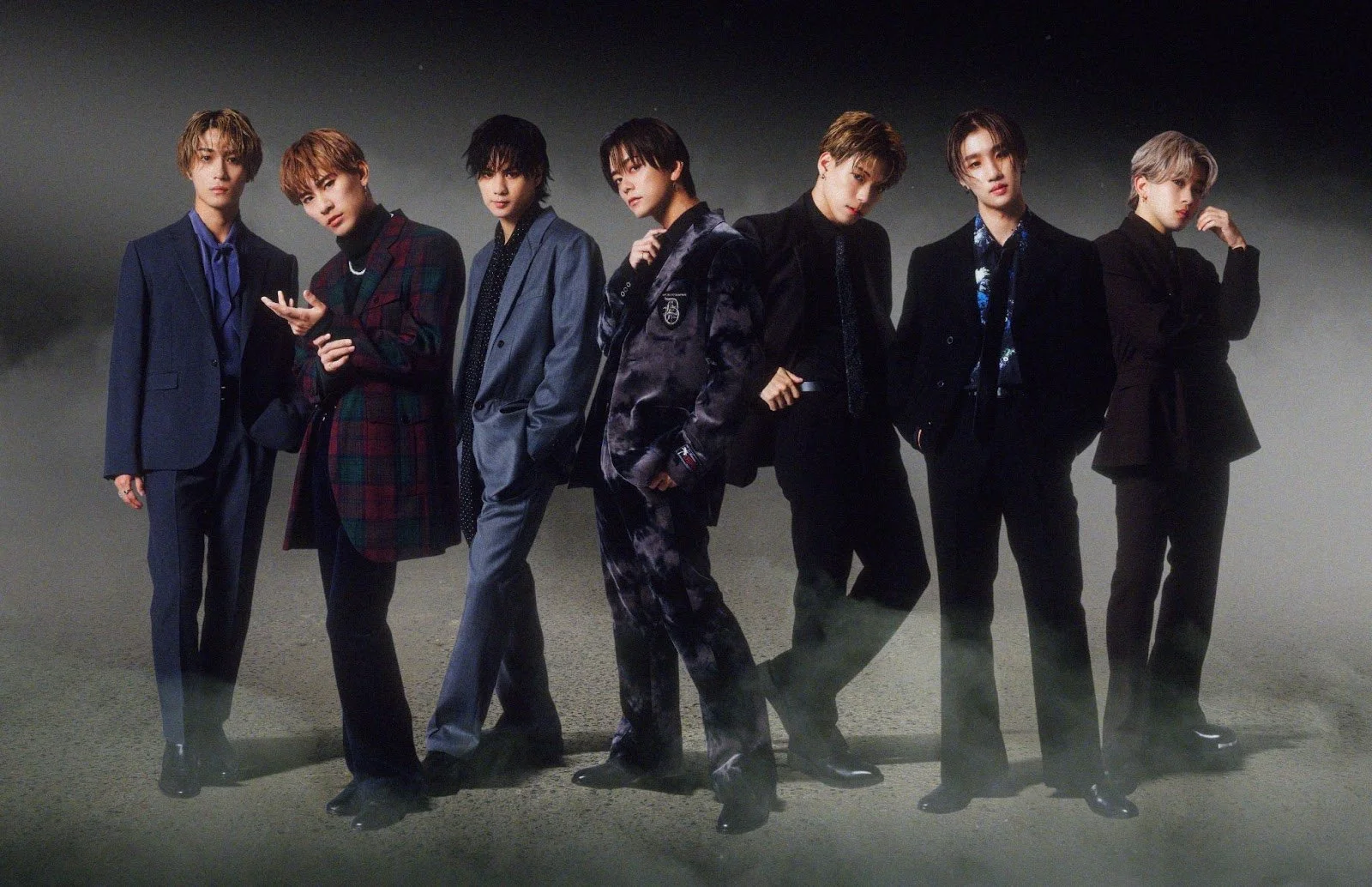
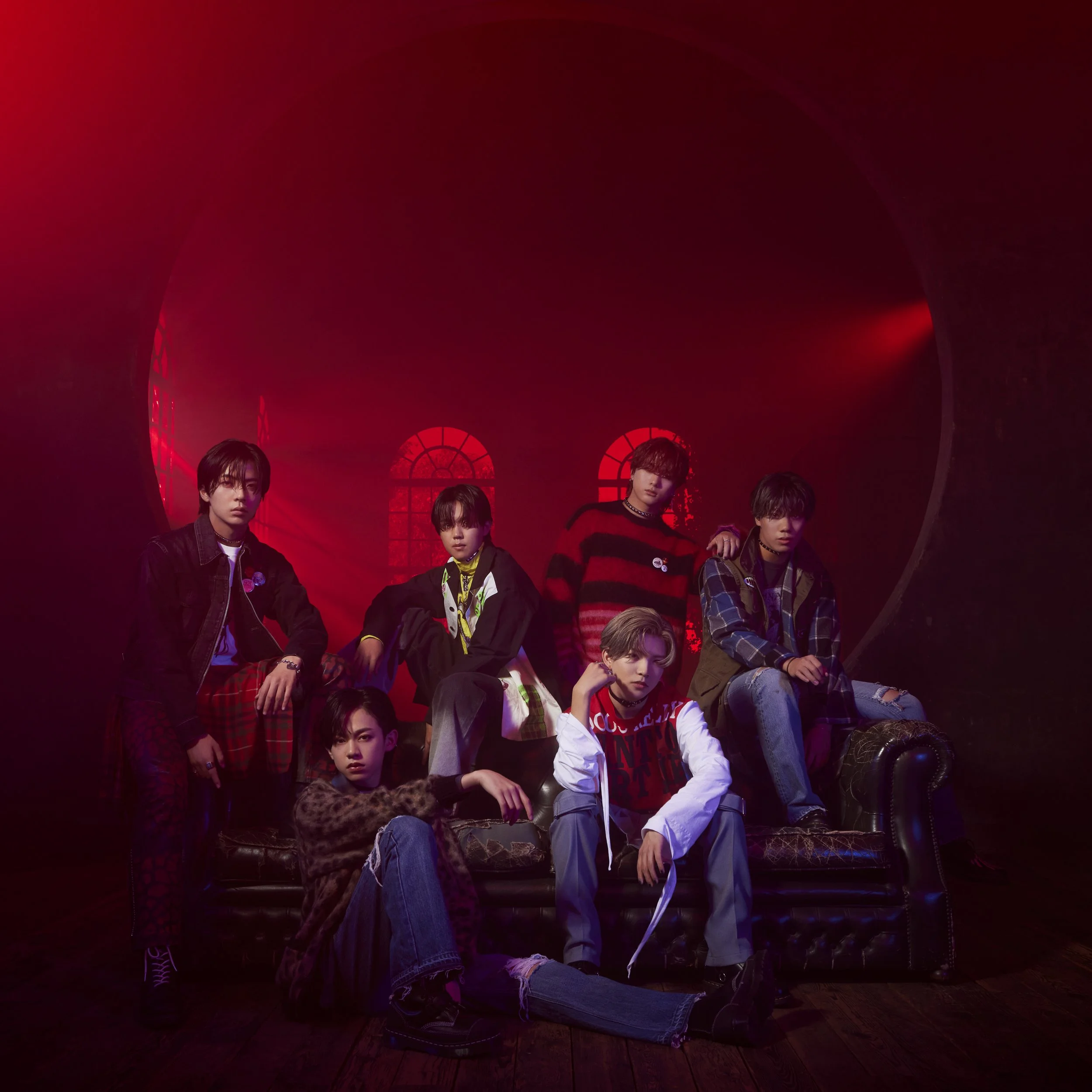
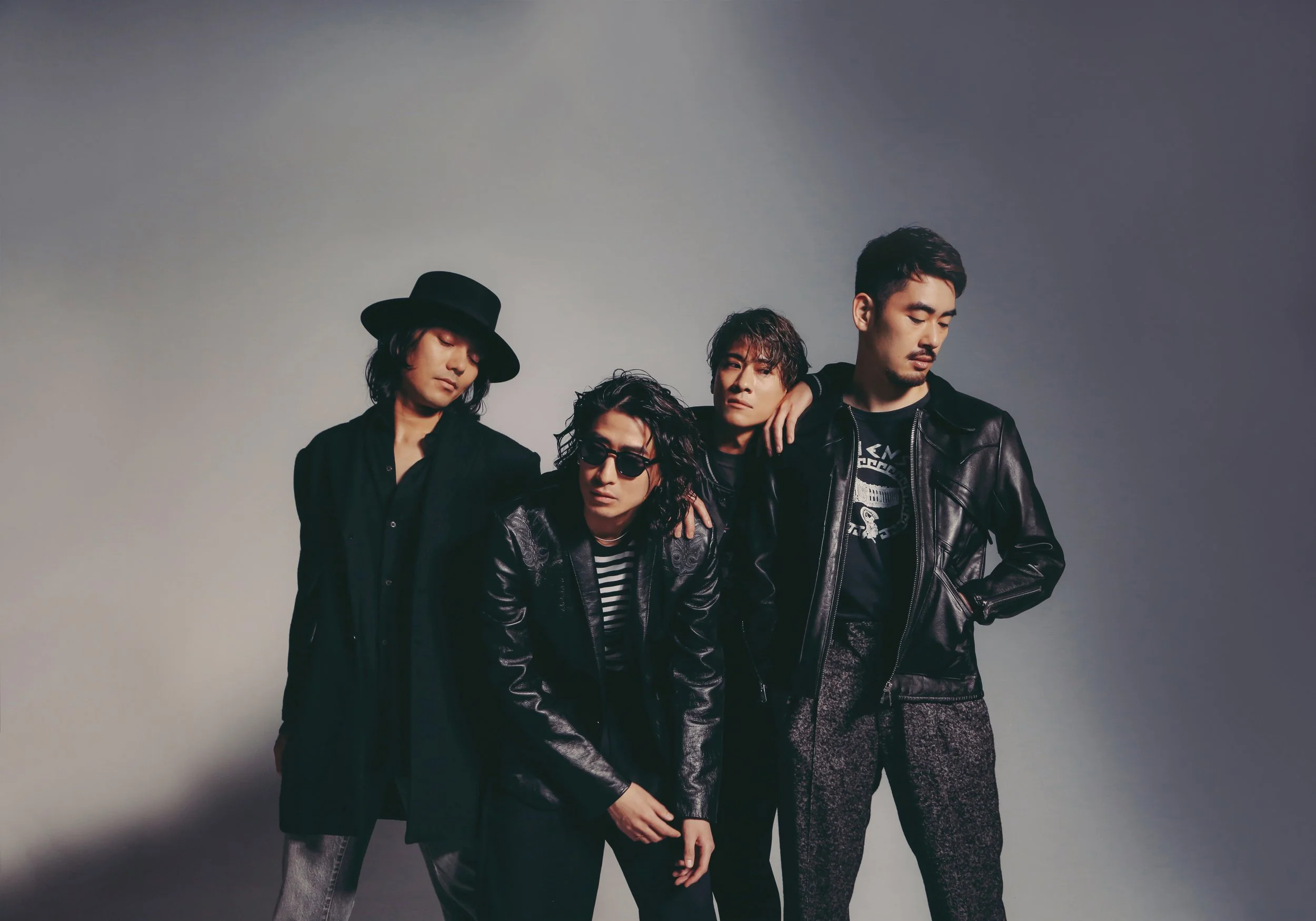
BALLISTIK BOYZ is a seven-member dance and vocal group who is a part of the popular sub-group EXILE TRIBE. These seven extremely talented members perform physically demanding acrobatic dance routines while singing emotional and thought provoking lyrics. Thanks to their performance skills and unique charm, one could say they rival any top-tier global artist.




Ken: First of all, thank you so much for letting us do this interview. We are big fans and love what you bring to the Japanese music industry.

BALLISTIK BOYZ: Thank you so much for having us.

“Riding firmly on that constant flow from the previous two releases, we wanted to make a song that surpassed last year's summer tune.”

Ken: Compared to your previous summer release, “SUMMER HYPE”, what was your thought process when coming up with “SUM BABY”?

Ryuta Hidaka: The release last year, “SUMMER HYPE”, was well-received, along with the following release, "Animal," which was also loved by many non-fans.

So while riding firmly on that constant flow from the previous two releases, we wanted to make a song that would surpass last year's summer tune. So, this time we came up with “SUM BABY”.

Yoshiyuki Kano: From the previously released “SUMMER HYPE” we wanted to show our more adult side along with a hint of playfulness and wanted to instill an image of a summer song that everyone could enjoy!

Ken: How difficult is the choreography for ” SUM BABY”?

Miku Fukahori: The choreography that we built around this release is so easy that anyone can dance along with us!

Rikiya Okuda: It’s not difficult at all! it's actually very simple!

Ken: What is your personal favorite track off of "SUM BABY"?

Riki Matsui: “SUM BABY”, of course!

Masahiro Sunada: “SUM BABY”! It's a song that grips that summer feel with a very catchy melody!

Ken: Do you have a favorite story in creating your newest single?

Ryuta Hidaka: While shooting the music video of “SUM BABY” we were able to take pictures while enjoying the summer feeling, such as going into the pool and having a BBQ together.

Ryusei Kainuma: "SUM BABY" has been recorded more often with the goal of surpassing the work of "SUMMER HYPE" which was released last year. We have been focusing on part division so that each member can stand out without having a fixed concept, so to speak. So, for example, during the first run of the song, each member sings all the designated parts (rap, vocals, etc.) by themselves first and then we divide those parts.”

Also, since it is a song that is mainly sung toward women, we made it while pursuing a bit of realism, such as being more conscious of the voice component and singing with a tone that makes it feel as if a woman is in front of us.


Ken: Before you were members of BALLISTIK BOYZ, what was the audition and prep work like being in PROJECT TARO and Vocal Battle Audition 5? Was the prep work more difficult before you were a member of BALLISTIK BOYZ?

Rikiya Okuda: I studied abroad in NEW YORK due to PROJECT TARO! In that process I developed new dreams and goals, including not only dance but also vocals/rap!

I am very proud of the experience of studying abroad because no one could ever replicate it!

Ryuta Hidaka: It was very difficult to become a member. In the past I've auditioned many times, and every year I would dream that this year would be the year I was chosen.

After many years of singing and dancing training and part-time work on a daily basis, even then I was of course anxious.

Ken: Your debut release was an album; was there any added pressure or relief when that was decided?

Miku Fukahori: It was a new type of debut, so it was more fun than anything else!

Yoshiyuki Kano: During the time we didn’t debut yet, even if we put out various songs, I was a little scared of how they would be received by those who listened to them!

Ken: Are you in competition with any of the other groups in Jr. EXILE?

Yoshiyuki Kanou: There are many things that I can study, very much both from my seniors and as a group;

we want to be able to catch up and overtake them even a little with our individuality and efforts.

Ryusei Kainuma: In the huge project "BATTLE OF TOKYO", which the Jr.EXILE generation is doing, "fighting/competing" is the main theme of the project, but on the contrary, in private, the four groups have very good camaraderie! Lol.

Of course, there are things like "This person and this person are on good terms!", but even with everyone together, above all, the senior members care about their junior members, so I think that a very good relationship from the beginning of the project was there.

I always think it's absolute to write song without lying to my dreams, goals or feelings.”

Ken: Do you have a process or certain mindset when creating your songs? If so, would you like to share that process?

Rikiya Okuda: I always think it's absolute to write songs without lying to my dreams, goals, or feelings. I don't think people will want to hear anything that they haven't thought of or experienced, so I always try to be honest with myself when dealing with music!

Miku Fukahori: I always try to record while imagining the content of the lyrics of the song!

Ken: While working on the BATTLE OF TOKYO album, what was the most fun to work on?

Masahiro Sunada: I enjoyed interviewing various magazines with the senior members, which is really rare to do!

Ryusei Kainuma: First of all, I've loved anime since I was little and just thinking that I'd be an anime character really got me excited!

However, the animation seems to have various settings and is quite detailed, so I sang while imagining the completed character design from the production stage and challenged to shoot the music video from there. There were many difficult things but I was most happy to actually see the process until it was completed!

Ken: Before you were a member of the BALLISTIK BOYZ, were any of you guys fans of EXILE?

Ryuta Hidaka: Yes, I was a fan of EXILE. I longed to be in EXILE and got my dream of becoming an artist from that.

Riki Matsui: Yes, I was a fan of HIRO-san.

Ken: How long does the choreography process of a song take to master and was it difficult to do during the ongoing pandemic?

Riki Matsui: This upcoming release, “SUM BABY”, was choreographed so that anyone could imitate it so it wasn't that difficult to plan, but the shooting was postponed due to the pandemic and it was harder in other respects as well.

Masahiro Sunada: We thought about all the choreography by ourselves but this time we created this work with the image of a simple choreography that everyone can imitate!

Ken: Most of your music is upbeat. Do each of you prefer the dance style of music that you perform or do you have a different style you prefer?

Miku Fukahori: I often listen to ballads and covers of various songs.

Ryuta Hidaka: My favorite dance style is HIPHOP.

I love 90s era music and heavy HIPHOP especially.

Ken: What song(s) had an impact on you growing as a group?

Riki Matsui: I think we changed a lot as a group with “Animal”. It's a song that all the members love and their individuality mixes well. It was also the moment when we released “Animal”: we saw a brand new path.

Yoshiyuki Kano: It would have to “Animal”!

Unlike the songs I've played so far, I thought that the R&B style was stronger and it suits us. When we released “Animal” it was very popular and gave us confidence for our future work!


Ken: What are some challenges you have faced as an artist? How have you overcome them? 

Masahiro Sunada: I struggled with how to liven up the performance and talk when performing live abroad.

However, I felt that I was able to overcome it by trying various challenges.

Riki Matsui: Rap skill.

When BALLISTIK BOYZ was formed, I liked rap and listened to it all the time.

I didn't have much experience and I was definitely behind the others so it was always my number one challenge. When I felt like it, I immediately bought all the recording equipment and practiced it almost everyday. I noticed that I used to do it until 6 o'clock in the morning. It's still my number one task, so I've been training at home as long as it doesn't interfere with my work.

“I wrote lyrics with a ballad taste and expanded the genre of music to a new form in a good way.”

Ken: How did the pandemic affect the way you approach your beats and composition for your music?

Masahiro Sunada: The way we deal with music has changed in a good way so I think it's a better work than ever!

Rikiya Okuda: Originally I wrote and composed vocals and rap mostly for a HIP HOP taste of music, but after the pandemic continued, I wrote lyrics with a ballad taste and expanded the genre of music to a new form in a good way. It was an interesting challenge that I took on!

Ken: Which artist would you say is your biggest inspiration? Also are there any international artists who inspire you guys as well?

Miku Fukahori: I want to be an artist who can sing and dance like Chris Brown.

Rikiya Okuda: There are many but I would have to choose Travis Scott!

His unique worldview and live performances are overwhelming, and as a strong point with his rap, he can also be a fashion icon and collaborate with brands.

Ken: How many languages can you each speak? Have you ever thought about incorporating that into some of your songs? 

Masahiro Sunada: Three can speak English, one can speak Portuguese, and the other can speak Chinese!

Ryusei Kainuma: There are three English speakers, one Portuguese speaker, and one Chinese speaker!

Most of the songs have English lyrics because I can speak English! I do it based on overseas standards, such as making songs and flows like overseas style, and since there are members who can speak English, Portuguese, and Chinese, each of the rap songs is composed through various songwriting. We are also trying to mix the languages as much as possible!

Ken: What did you think about seeing yourself animated for your video “VIVA LA EVOLUCION” for the BATTLE OF TOKYO EP? 

Ryuta Hidaka: It’s a strange feeling to see myself animated but it made me happy.

I’ve personally liked anime and manga since I was little so it was a blast!

Yoshiyuki Kanou: There hasn’t been this style of music video beforehand so it’s very refreshing.

Ken: “44RAIDERS” leans a bit into gaming culture; what are some of your favorite video games to play?

Ryuta Hidaka: I really like Kingdom Hearts!

Ryusei Kainuma: I, Ryusei Kainuma, am a very big video game fan... Recently I’ve been addicted to the game Apex Legends!

Ken: For international fans, how they usually discover J-pop is through anime. First, do you guys watch anime, and if so, which would you say is your favorite?

Yoshiyuki Kanou: I watch a lot, actually! I usually watch Weekly Shonen Jump and other Shonen styles of anime, but I was really surprised by the finale of Attack on Titan!

Ken: How far in advance do each of you prepare for your live performances? Do you prepare more as a team, individually, or a mixture of both?

Miku Fukahori: I often start rehearsals about a month beforehand.

Ryusei Kainuma: If it's a live concert I'll prepare a month or two before!

It depends on the members, as in how they do the individual practices, but we do group practices as the main practice. The reason is that everyone sings and dances, so it's important to align and unify our intentions!

Ken: Is there a venue you performed at that you’ll never forget? Also, is there a dream venue that you would like to perform at?

Masahiro Sunada: I want to perform at Madison Square Garden someday!

It's been a dream place since I lived in New York!

Rikiya Okuda: What I will never forget is the Apollo Theater in NEW YORK!

Unfortunately we weren’t able to keep winning throughout the year, but until then we were able to keep winning so I'm still happy, and I don't think there are any Japanese people who have reached that level, so as a group I was happy that judges accepted our dance power that much.  

I also want to do a live concert at Madison Square Garden in the future!

Ken: What tracks are your favorite to perform live and why?

Ryuta Hidaka: It would have to be "Animal".

Many of our songs are cool, upbeat songs, so the intro of “Animal” has that style in it.

I like the feeling that the atmosphere of LIVE concerts bring, along with the stage changes. It brings my energy up and levels up my singing and dancing ability.

Riki Matsui: “Life Is Party”.

This is one of the songs through which we can feel united with the fans.

When I performed this song live for the first time, a new sense of fun and unity at the venue permeated my heart, giving me an experience that I can never forget.

Ken: What would you say is your group's most difficult song to perform?

Yoshiyuki Kano: It’s “Animal”! There are so many places in the song that use falsetto and mixed vocals. It's difficult to put out without voluntarily being in vocal pedagogy!

Rikiya Okuda: For me it would also have to be “Animal”! The choreography is precise and delicate so I think it's difficult to remember!

Ken: Who is the one artist you would love to work with in the future?

Masahiro Sunada: It would have to be Post Malone and Ty Dolla Sign!

Because they are my favorite hip hop artists!

Rikiya Okuda: Mine would be Post Malone as well!

His style of music and worldview are really cool and I've always been inspired by his music!

Ken: What song have you created that you wish had a music video?  What type of music video would you film?

Miku Fukahori: “Strangers” has a completely different atmosphere from our usual songs so I would like to shoot a slightly mature music video.

Riki Matsui: “HIGHWAY” and “Chasin’”.

This would be done by Me, Rikiya, and Ryusei.

It’s mainly a rap song, so I'd like to have the video with me lip singing while riding in a car. LOL.

Ken: Do you have a message for your international fans?

Ryusei Kainuma: I haven't been able to meet because of the ongoing pandemic but, talking on behalf of the group, we want to see everyone in the BBZ Family soon, so please look forward to it!

Yoshiyuki Kano: Thank you for your support!

I'm very sad that we can't see you, our fans, after all this time, but we'll do our best to meet you as soon as possible!

Ken: Once again, thank you so much for taking time out of your busy schedule and we look forward to your upcoming releases!

BALLISTIK BOYZ: Thank you it was our pleasure!

Be sure to check out their official website, along with their Twitter, and Instagram!
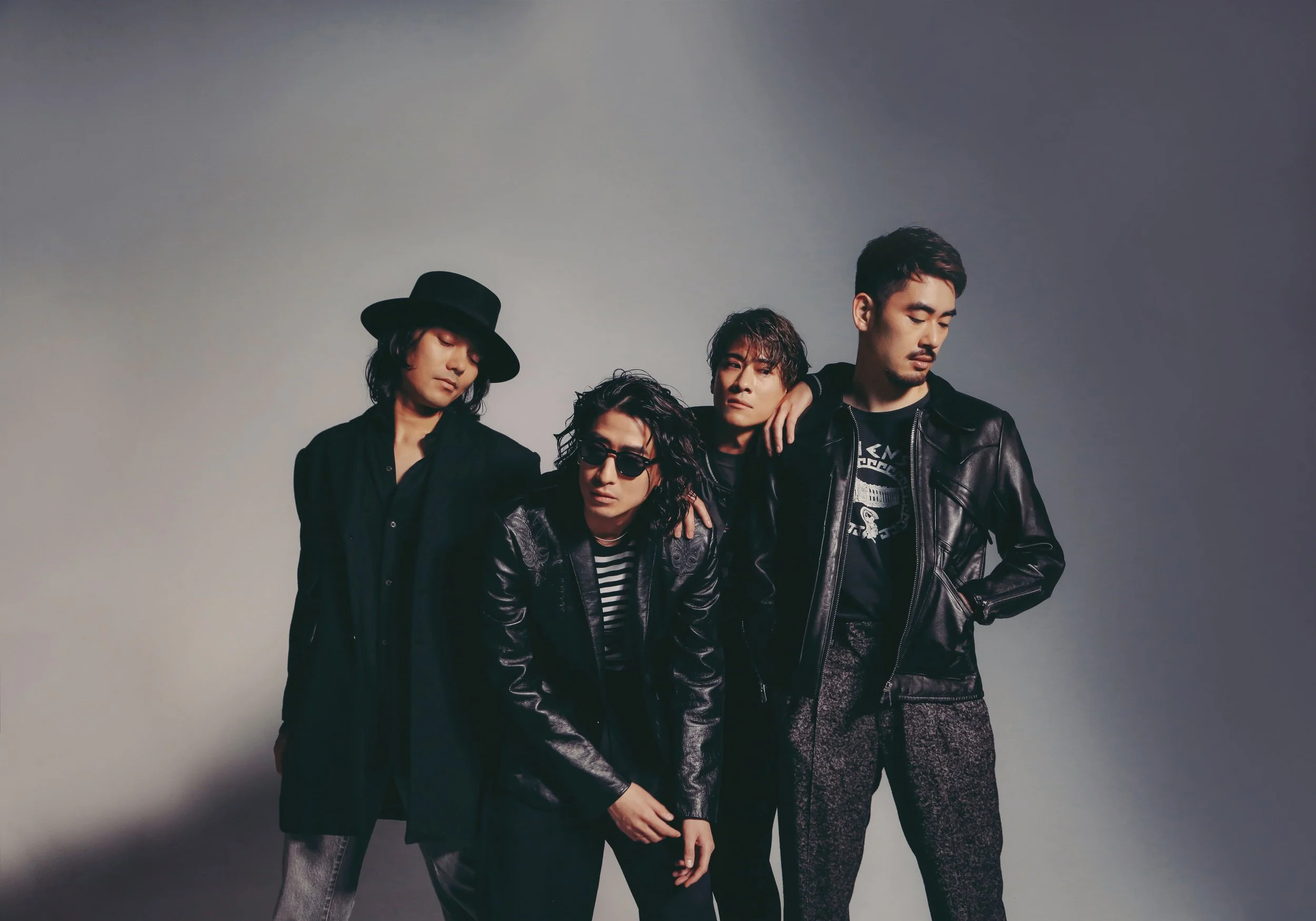
Interview: tricot

Untitled-t.jpg

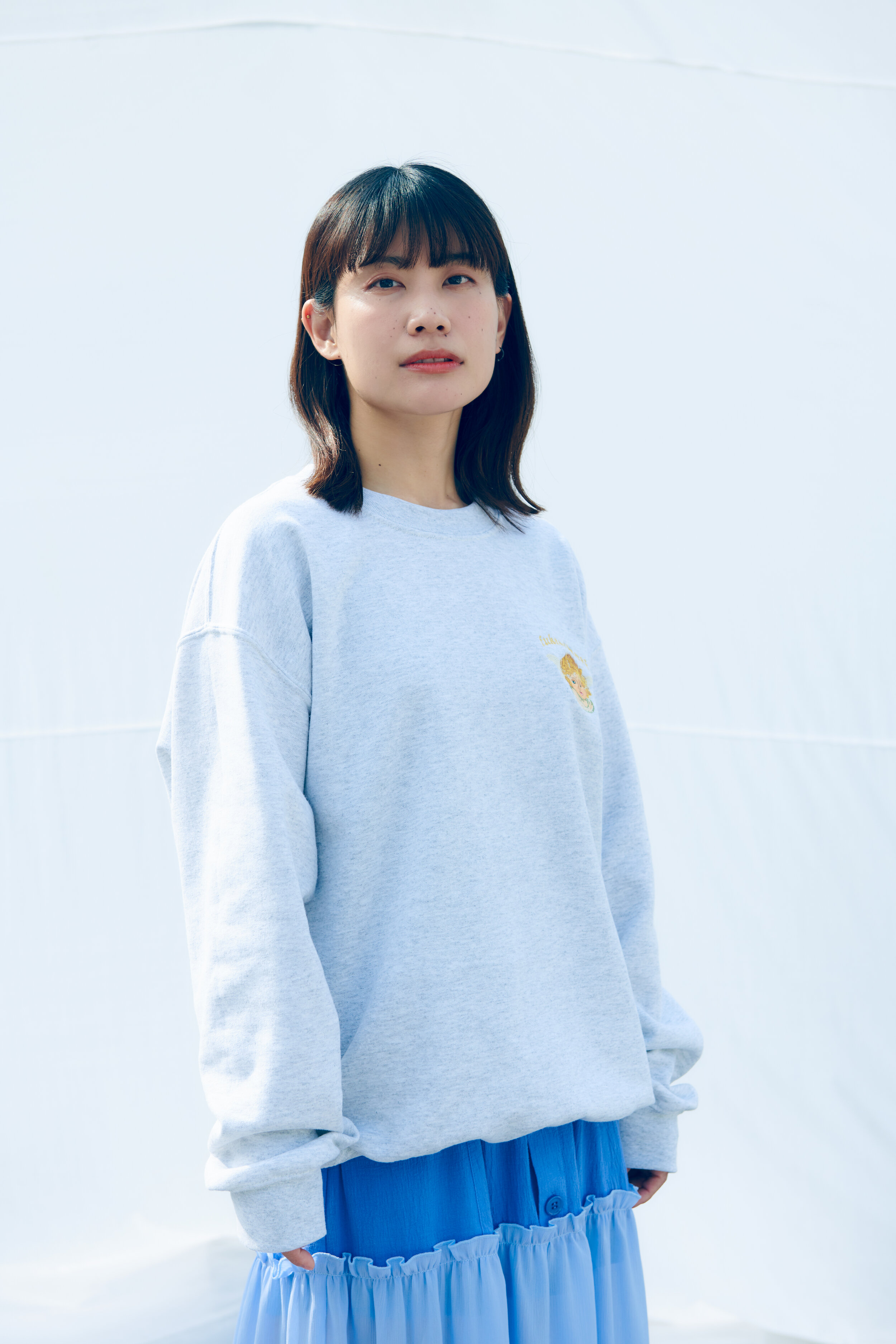
tricot is a four-member co-ed alternative rock band formed in the historical and cultural city of Kyoto on Sep 1, 2010. They started to expand their career in Asia, Europe, and North America in 2014 and 2015. The band developed an unusual and distinctive sound featuring harmonization of pop and emotional vocals with that complex rhythm uniquely enjoyed by both fans and first-timers alike. tricot stars Hiromi Hirohiro on bass and chorus, Ikkyu Nakajima on vocals and guitar,  Motifour Kida on guitar and chorus, and Yuusuke Yoshida on drums.


Ken: First of all, thank you so much for letting us conduct this interview. We are big fans and love what you bring to the Japanese music industry.

Tricot: Thank you very much for having us!

Ken: Do you have a process or certain mindset when creating your songs? If so, would you like to share that process?

Ikkyu: First is to enjoy the whole process of music creation from start to finish!

Yoshida: Based on the ideas and knowledge gained from various wonderful music in the past, we try to create new ideas by combining them in various ways.

“…I think I was able to capture the song from a bird's-eye view more than usual.”

Ken: How did the pandemic affect the way you approach your beats and composition for your music?

Kida: The percentage of work that we usually have done in the studio for writing sessions for songs had decreased, and we had to switched to a process of data exchange. Eventually, we arrange it in a studio session, but I think that the time before to formulate has increased, and we think about the overall composition and face the songs more objectively than before.

Hiromi: It was difficult to meet the members so I had started to send demos to the other members on a PC instead of a session in the studio and had to compose remotely. So I think I was able to capture the song from a bird's-eye view more than usual.

Ken: What song(s) had an impact on you growing up?

Ikkyu : If you are asking about a tricot song, “Ochansensu-Su” is very free, unique, and I like it. After that, I peeled it off with “potage” and felt like it became a new tricot.

Yoshida: Snarky Puppy and Metropole Orkest's "The Curtain". It's a big band and its music is not bound by any genre, but it's amazing that it has a solid sense of genre and is well organized.

Ken: What are some challenges you have faced as an artist? How have you overcome them? 

Ikkyu : In our indie era, even if there was a response that a song that was well received was made, there was almost no place for people that were fans to find it, so there was no choice but to send it on social media sites. In many cases it was released without any notice that it was released. Now I am fortunate enough to meet good, understanding people and collaborators, and I think I have more opportunities to get to know them than before.

Kida: I think it became difficult to hold a live performance for our audience due to the ongoing pandemic, and it became difficult to directly feel the reaction and the energy off of them. Among them, we sought a new way to enjoy live performances with a different way of showing, such as delivering live performances with no audience and holding concept shows.

Ken: Which artist would you say is your biggest inspiration? Also are there any international artists who inspire you guys as well?

Yoshida: As I stated before, the band Snarky Puppy was a big inspiration, as their music is not bound by genre, but it's amazing that it has a solid sense of genre and is well organized.

Ikkyu: The four-member rock band Number Girl. I think that the overall image of tricot's songs contains the genes of Number Girl, which had a great influence on Kida and Hiromi. I think my melody is mainly influenced by J-POP.

As for an overseas artist, the four-member Californian rock band chon who took us on a tour of the United States almost everyday for about a month. We got to watch live concerts of them everyday, so I think we got a lot of inspiration from them.


0416_himistu02_-21.jpg

“…I read the original story and the materials I received carefully, and I thought, "I want to say this", not only at the top of the story but also in my own way.”

Ken: When writing “INAI” what was the inspiration and thought process behind composing and writing such a track?

Ikkyu: This time I wrote it as the insert song for the drama Haru no Noroi, so I read the original story and the materials I received carefully, and I thought, "I want to say this", not only at the top of the story but also in my own way. I made the thing into lyrics and the melody was conscious of its catchiness so that it could be conveyed even more.

Kida: It's an insert song for a drama, so I combined the chords while considering the balance between the disturbing sound that closely matches the content of the drama and the addictiveness and catchiness that makes me want to listen to it over and over again.

Ken: As your band has been abroad several times for tours, are there any funny stories that you’re able to talk about? 

Yoshida: I was on a diet that was difficult to do in Japan and I had eaten only meat, so by the time I returned to Japan my body fat had dropped so much that I was a little macho.

Hiromi: When we went on a European tour, I unfortunately forgot the location, but it was interesting. One of the audience members during the tricot live got excited and we brought them up onstage to start dancing during a performance.

Ken: We love the designs of several of your goods. Between the four of you, which one was your favorite? In addition, for Ikkyu Nakajima, which one was your favorite to design?

Hiromi: The Wan-san pouch is cute and convenient, so I've always liked it. Another thing is the fried rice plate we put out a while ago has a cute design and I often use it at home.

Kida: I like the cute design of the goods featuring the hair part of the hairy character that appears in the "Black" music video. Along with various sweatshirts and knit caps.

As for goods that weren’t designed by Ikkyu Nakajima, I like the ones that have a clean and simple design with little waste, such as a Straight logo type of goods and such.

Ken: As all of your albums have such a distinct sound, how do you go about creating and placing the songs on your albums?

Ikkyu: Basically, I don't decide on the theme of the album before starting the production of it, and from that process we would record more and more songs. Then they are arranged in the order that makes us the most excited.

Ken: For international fans, how they usually find out about J-pop is through anime. Do you guys watch anime, and if so, which would you say is your favorite?

Yoshida: I like the series Penguindrum and Gurren Lagann. Penguindrum is so amazing and the character’s behavior and wording are so wonderful that really I admire it. The story is also great and I hope that everyone is able to watch it!

Hiromi: Recently I was addicted to Attack on Titan and watched the entire series all at once. I also had read the manga, but anime is also very wonderful.

Ken: Is there a venue that you performed at that you’ll never forget? Also, is there a dream venue that you would like to perform at?

Kida: The stage at POHODA FESTIVAL in Slovakia left an impression on me. It was the first festival in the country I went to for the first time, so the audience was sparse at first, but I was happy that when the live started and the people who listened to the sound had gathered. Also, I would like to perform again at the House of Blues that we performed at when we participated in the SUPER CHON BROS TOUR before, this time as a headliner instead of the opening act.

Hiromi: The atmosphere at the Pohoda Festival in Slovakia was wonderful and I enjoyed it both as a performer and as a guest. I also want to appear at Coachella sometime in the near future.

Ken: What track(s) is your favorite to perform live and why?

Kida: It would have to be "potage". I like the pacing of the track and it feels good to play while the amount of crowd energy increases from the first gentle tune to the end.

Ken: Who is the one artist you would love to work with in the future?

Ikkyu: The idea of collaborating with the American duo tUnE-yArDs is interesting. I also love System Of A Down so working with them would be fun also!


0416_himistu02_-49.jpg

“…It would be interesting if there were a scene where we were playing insanely or violently to match [“MATSURI”].”

Ken: What song have you created that you wish had a music video?  What type of music video would you film?

Hiromi: With the song “MATSURI”, I think it would be interesting if there was a scene where we were playing insanely or violently to match this track. Or if there was a music video that shows us playing with all our might.


Ken: Lastly, do you have a message for your international fans?

Kida: Since the lyrics are in Japanese, most of the content may not be conveyed, but I would be very happy if you enjoyed the melody and composition of each instrument. See you again!

Yoshida : It’s currently difficult to go abroad but we are doing a lot of production activities, so I'd be happy if you could enjoy the upcoming releases. I'm looking forward to seeing you guys live again soon!

Hiromi: I'm very sad because it's difficult to go abroad now but I'm looking forward to the day when I can go again, so I'm glad if you can check all the prior releases of tricot!

Ikkyu: I'm proud to hear that our songs are well received, even if the culture and language of the country we live in is different! I would like to continue to deliver exciting songs from Japan so that you can enjoy them even if you can't go to see them.

Ken: Once again, thank you so much for taking time out of your busy schedules. We look forward to your upcoming releases!

Tricot: Thank you very much for having us, it was a lot of fun!

Be sure to check out their Official Website, Twitter, and Instagram!

Interview: AmPm

Untitled-1.jpg

AmPm is a masked production duo from Japan specializing in club/house music through their production of remixes. They made a major global impact with their March 2017 debut track “Best Part of Us”. The same year, they were the only Japanese artist to perform at Spotify On Stage, a festival in Indonesia hosted by Spotify. They had from then on dominated stages around the world, from Ultra Miami to shows in Korea and Japan, and even a headline concert in New York. Today AmPm are one of Japan’s most in-demand music production exports, with fans among artists and music lovers alike.


Image 5-10-21 at 9.17 PM.jpg

Ken: First of all, thank you so much for letting us do this interview. We are big fans and love what you bring to the Japanese music industry.

AmPm: It is our pleasure.

K: What was the inspiration for the design of the mask and would you guys like to change it in the future?

AP: One of the major reasons we used a mask was because we had seen the play Sleep No More in New York. When we watched it we were inspired to don the mask while we work. At the time of our debut we wore polar bear masks and currently it is a rabbit mask, but in the future we may wear other animal masks. There are already some new mask designs in the works.

K: As your music is dance based, is there another genre you would like to try?

AP: I don't think that musicality would change much but there are many wonderful artists of various genres all over the world, so we would like to continue collaborating with various artists.

In addition to music we also have some hobbies such as games, so we would like to make such things public places where we can share them with everyone.

“In the future we would like to try remixing songs that people all over the world know.”

K: Over the past year you have done several remixes of popular tracks. What would you say is your favorite out of the tracks you have done and which song would you like to remix in the future?

AP: That's a difficult question. The remixes we've worked on so far are all of our favorite songs. The fun of remixing is that it can make a difference from the original, so in the future we would like to try remixing songs that people all over the world know.

K: How does producing music for other artists compare to creating your own music releases? For example, you produced eill’s track “One Last Time”. Do you have a different process with producing your own music versus other artists?

AP: It doesn’t really change. However, in our case, we often work with many creators as well as ourselves. We are constantly changing teams to create the world of music that we want to create.

One of the things that listeners are conscious of when they are listening to the song is, "Can you imagine the world view that the song is portraying?”

K: Do you have a process or certain mindset when creating/mixing your songs? If so, would you like to share that process?

AP: “Groove feeling” is very important, not only for up-tempo songs but also for slow-tempo songs. Also, during the production process it is important to listen to the demo songs outside or in the car to see if you can listen to the music without any discomfort even if the environmental situation changes. Additionally, even if you don't understand the content of the lyrics, it is one of the things that listeners are conscious of when they are listening to the song. It’s kind of a question such as, "Can you imagine the worldview that the song is portraying?”

K: How did the pandemic affect the way you approach the beats and composition for your music?

AP: As for ourselves, we have been inspired by traveling around the world. With that gone, there may have been some things that we hadn't thought of before. However, we were still working on several productions, keeping that in mind that we weren't very conscious of it. In any case, we hope this situation will improve sooner.

K: What song(s) had an impact on you growing up?

AP: Both of us have different music backgrounds. One is heavily influenced by American R&B and house music and the other is heavily influenced by British dance music and pops. While both of us may have different tastes, what we have in common is that we have an aspect of groove. Both of us are constantly checking a good number of new songs released from all over the world, and while feeling the changing of trends, we create songs that we want to listen to now and that have our own unique feeling.


A16I7735.jpg

K: What are some challenges you have faced as an artist? How have you overcome them? 

AP: There were always small challenges and problems but there have not been many major challenges in our activities so far. There are always differences in thinking but we have never quarreled about them. There are parts that we respect about each other, so even when we are about to move in different directions we naturally return to the same place.

K: Which artist would you say is your biggest inspiration?

AP: We think they're different, but we would strongly say it's Michael Jackson and The Beatles. Both were great artists and always revolutionaries. We think the influence from them was very big for us.

K: For your song “Afterglow” (which released today) how did the collaboration with Kimberly Chen come about and what was the most fun part of working with her?

AP: We extended an offer to collaborate with her. Due to the ongoing pandemic, we couldn't go to Taiwan so we proceeded with online communication. We’re used to making songs online without having to meet in person, but we do meet artists in person at times. We already have a lot of experience with what we do, but we would love to hear directly what she thought. The distance to Taiwan from Japan is very close, so when this situation is over we'd like to go to Taiwan and hear from her directly. It would be great if we could do a live performance together.

K: Are there any more collaborations you already have planned for the future?

AP: Yes, we always have a plan for future collaborations. We are always looking for people to collaborate with. Please let us know if you have any recommended artists!

K: Who is the one artist you would love to work with in the future?

AP: That's a difficult question. There are many artists we admire all over the world but we’d like to think that any artist we can collaborate with can make good songs in a relationship wherein we can respect each other.

K: What songs would you use for an ultimate mix album?

AP: Which song to choose... We've never thought about it but we haven't released an album yet, so I have to think about it someday. Each song has its own memories and is our favorite song so it's very difficult to choose.


_DSC7556_result.jpg

K: International fans usually find out about J-pop through anime. Do you guys watch anime? If so, which would you say is your favorite?

AP: We both watch anime and read manga and we also like to play video games. Again, both of us have completely different tastes, but it's very difficult to choose which are our favorites. What we like always changes depending on our mood at the time, and many new works are constantly announced. And many of them are very interesting works, so our favorite franchises are only increasing.

K: Is there a venue that you performed at that you’ll never forget? Also, is there a dream venue you would like to perform at?

AP: The Spotify-sponsored SPOTIFY ON STAGE held in Indonesia in 2017 is an unforgettable venue. This story alone can be told all day long, but we still can't forget that the audience at the venue sang our songs that had just debuted. Personally we have no particular dream venue we would like to perform at in the future, but we always hope that everyone will know our songs and have a lively concert like the one in Indonesia.

2017 SPOTIFY ON STAGE in Indonesia

2017 SPOTIFY ON STAGE in Indonesia

“We would like to ask several creators for one song to make multiple music videos. We think that the impression of the music differs depending on the creator, so we would like to visualize that difference.”

K: Which of your created songs do you wish had a music video? What type of video would you film?

AP: Currently all of our songs are without music videos. We had never thought about what kind of music video would be good, but we would like to ask several creators for one song to make multiple music videos of. We think that the impression of the music differs depending on the creator, so we would like to visualize that difference.

K: Do you have a message for your international fans?

AP: We are really grateful for everyone who always listens to our songs. Also, if you don't know us from this interview, please listen to our songs! We want not only for people to get to know us, but also to get acquainted with the artists we have collaborated with. The artists who have collaborated so far have released a lot of original songs with a worldview different from AmPm's songs, so we would like you to listen to their songs as well.

K: Once again, thank you so much for taking time out of your busy schedule. We look forward to your upcoming releases!

AP: Thank you for allowing us to do the interview as well; it was a lot of fun!

Be sure to check out AmPm’s official site, Twitter, and Instagram!

Interview: THE CHARM PARK

The Charm Park2.png

Launched in 2015, THE CHARM PARK is the brainchild of talented Korean born, Los Angeles-raised vocalist Charm. Charm’s solo project is becoming the missing link which lies between western and eastern styles of pop music, and it’s even making big waves with the recent rise of the fusion pop genre in Japan. Dubbing himself the next generation pop maestro, Charm is true to his word, with organic and dynamic compositions accompanying his melodic vocals. He hopes that his arrangements will be enjoyed by fans all around the world.


1_12まで使用_A写2_THE CHARM PARK.jpg

Ken: First of all, thank you so much for agreeing to do this interview. We are huge fans, one of our members even choosing you as his New Artist of the Year back in 2019. To say we are excited is an understatement and we would like to congratulate you on the successful release of your album Bedroom Revelations back in February.

THE CHARM PARK: My pleasure.

K: As an artist who sings songs in both Japanese and English, what made you decide to do this? It is somewhat rare for artists to swap back and forth between languages for different tracks.

TCP: Well, firstly, for anyone who doesn't know my background, I was born in Seoul, Korea and was raised in Los Angeles for most of my life. Japanese is actually my third language, so singing in English was actually most natural for me. However, while I was in Los Angeles I had great admiration and respect for Japanese music and culture and always heard a little bit of English in their music regardless of their fluency in the language. So although I do feel like I'm a part of the bridge that connects Japan and English-speaking countries, I don't feel as out of place singing both languages in Japan.

K: If you could collaborate with any artist, who would it be and what type of song would you make?

“I would love to collaborate with artists outside of Japan who have a similar love for Japanese music.”

TCP: During my limited years as a musician I have gotten a lot of chances to collaborate with and write for many of the artists I'm a big fan of such as OhashiTrio, ASIAN KUNG-FU GENERATION, and Monkey Majik, to name a few. I feel lucky and blessed that these collaborations happened and hope to continue with others. These days I would love to collaborate with artists outside of Japan who have a similar love for Japanese music and see what new music can be made. One instance this came true was with STAMP from Thailand, who surprisingly had similar influences to mine even though we were born and raised in completely different places in the world.

K: Which artist would you say is your biggest inspiration?

TCP: I'm not sure if I can say these guys are my biggest inspiration judging by the music I'm creating these days, but X-Japan was the first band that inspired me to play the guitar and pursue music. The guitarist HIDE's solo albums are still a constant inspiration every time I listen and give me chills. My goal is to one day give the same inspiration to other artists as they have to me.

K: Recently on our podcast we talked about our favorite music videos and which songs we wished could have a music video, for some of our favorite artists. Out of all of the music videos you have filmed, which are your favorites? And, is there any song in your discography that you wish you could have filmed?

TCP: Every music video made has a special part in my heart, and probably like many other artists, it brings me back memories like reading a page out of my diary. I really can't pick one, but the video for "Timeless" has such a powerful impact on me. Kosuke Sugimoto, the creator of the video, has made many others for me including "Lost", "Gravity", and "Sunflower". And I hope these videos get seen by more people. As for the other question, I would like all of my songs to have videos, hehe.

K: International fans usually discover J-pop through anime. Do you watch anime? If so, which would you say is your favorite?

TCP: Being an international fan of J-pop originally, a lot of my favorite songs and bands were discovered through anime and games. I've been behind on watching anime these days, but I've always been a big fan of Gundam and the whole franchise. The robots and action are what got to me first, but the storytelling was what got me hooked. Also, the music (the songs and the soundtracks) are phenomenal most of the time.

K: What are some challenges you have faced as an artist? How have you overcome them?

TCP: Before becoming THE CHARM PARK, I was originally in a band called Hemenway. We got signed to a major label and back then I thought that had been the goal and the end of the hardships… but it really wasn't, heh. I don't want to bore you guys with all the details of my hardships, so long story short, you just have to do what you love and the rest is up to how many people agree with what you made. So as a natural people-pleaser, I try to stop myself from thinking about what others would like and do my thing. For now, that made me have the least regret in life, haha.

K: Is there a venue you performed at that you’ll never forget? Also, is there a dream venue that you would like to perform at?

“I realized the power of music and songs to bring people together.”

TCP: The first place I played as THE CHARM PARK—where you had to buy tickets—was a small live-cafe in Shimokitazawa called Mona Records. I had my first EP out through an indie label; I didn't have any big promotions or exposure so I didn't expect anyone to come, but the tickets were sold out pretty quickly. Then I realized the power of music and songs to bring people together. As an international fan of Japan, Budokan has been a dream venue since a long time ago but I'm not sure if the music I make is suitable for that kind of venue, haha.

K: For many of your tracks you use both English and Japanese. Do you plan to do an International Tour in the Future?

TCP: These plans never go as planned so I tend not to think about it, hah. I had a few international gigs planned in the year 2020 and we all know how that turned out, heh. In all seriousness, an international Tour would be a blast and I would love to go to different places to play where people want to hear my songs.


TCPサブ(小).jpg

K: Do you have a process or certain mindset when creating your songs? If so, would you like to share that process?

TCP: I don't necessarily have a set process when creating songs, so everything's a bit of a mess when I start writing. However, one thing that is important to me is if I myself like the song or not. Songwriting as a career is impossible if nobody else likes your music, but ultimately I would rather have a song I like heard by a few than a song I don't heard by many.

K: How did the pandemic affect the way you approach recording your music? For example, did you wind up recording more at home?

TCP: THE CHARM PARK's origin was to have people listen to my bedroom recording and mistake me for a band (some actually do believe that). So, the pandemic hasn't changed that aspect, but I do feel it has made my writing lean more towards therapy than energy. I feel the songs I've been writing these days have become more personal and human, which thankfully connected me to more people who feel the same way as me.


K: As you have recently released your Bedroom Revelations album in February, will you be planning a live tour or an online live tour later this year?

TCP: A million-dollar question, heh. I would love to go and play all over Japan, which I've done mostly every time an album is released, but I wouldn't want to rush anything. Also, I'm currently working on a new album that feels a bit more optimistic, so a tour playing those two albums might be a bit more interesting.

Bedroom Revelations jacket cover

Bedroom Revelations jacket cover

K: What were some of the challenges you faced putting together your latest album, Bedroom Revelations?

“The music geek inside of me was fighting me the whole way.”

TCP: Bedroom Revelations was maybe my first album to not have a diverse genre of music. This was very much intended and I am very pleased with the way it turned out, but the music geek inside of me was fighting me the whole way, saying, "You need more fast songs" or "When is the electric guitar coming out?" Heh. Limiting myself to writing with just my classical guitar was a challenge at the beginning, but I think I came out a more mature musician after this album.

K: What is your favorite track off Bedroom Revelations?

TCP: I wouldn't say it's my favorite, but I would love more people to hear my duet with fifi léger, "Komoriutanohate", which means "At the end of this lullaby". The song came out so naturally and fifi's voice is also a gem.

K: Was Bedroom Revelations always planned to include ten tracks or were there more that ended up requiring a bit more tweaking?

TCP: Every time I make an album there are a few more songs made just in case the balance of the album is better with those songs, or just songs that didn't make my cut. Those songs will either be destroyed or given to other artists. Just kidding. ^^

K: Are there any upcoming projects you are excited for fans to hear about?

TCP: I recently collaborated with WOWOW, a TV channel in Japan, and filmed a 90-minute performance with them titled "Attack the Ages". I wanted to make it interesting so I divided the performance in decades (60s, 70s, 80s, etc.) and arranged my songs to those eras. The band and I went deep in replicating those eras so I'm working hard trying to see how we can have people all over the world watch my homage to pop music history.


TCPメイン(小).jpg

KB: Do you have a message for your international fans?

TCP: I think times have changed enough so that we can REALLY choose to listen to what we love and watch what interests us. I can't say that I'm Japanese but I can't say I'm Korean or American either, so the term "international" is beginning to look weird in my point of view. Before going on a rant, I'd love to thank anyone who’s listened to my music and supported me on this journey. I'll try to create more songs that move me and hopefully people will feel the same way I do…

K: Once again, thank you so much for taking time out of your busy schedule and we look forward to your upcoming releases!

TCP: Thank you guys for your awesome questions! This was my first English interview and my English is a bit rusty, but hopefully you guys got the gist of it, heh.

Be sure to check out THE CHARM PARKS’s official site along with his Twitter, Instagram, and YouTube Channel